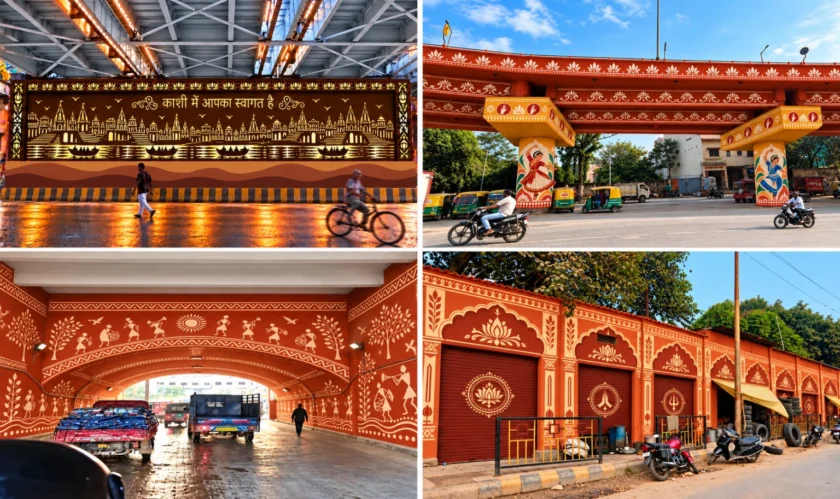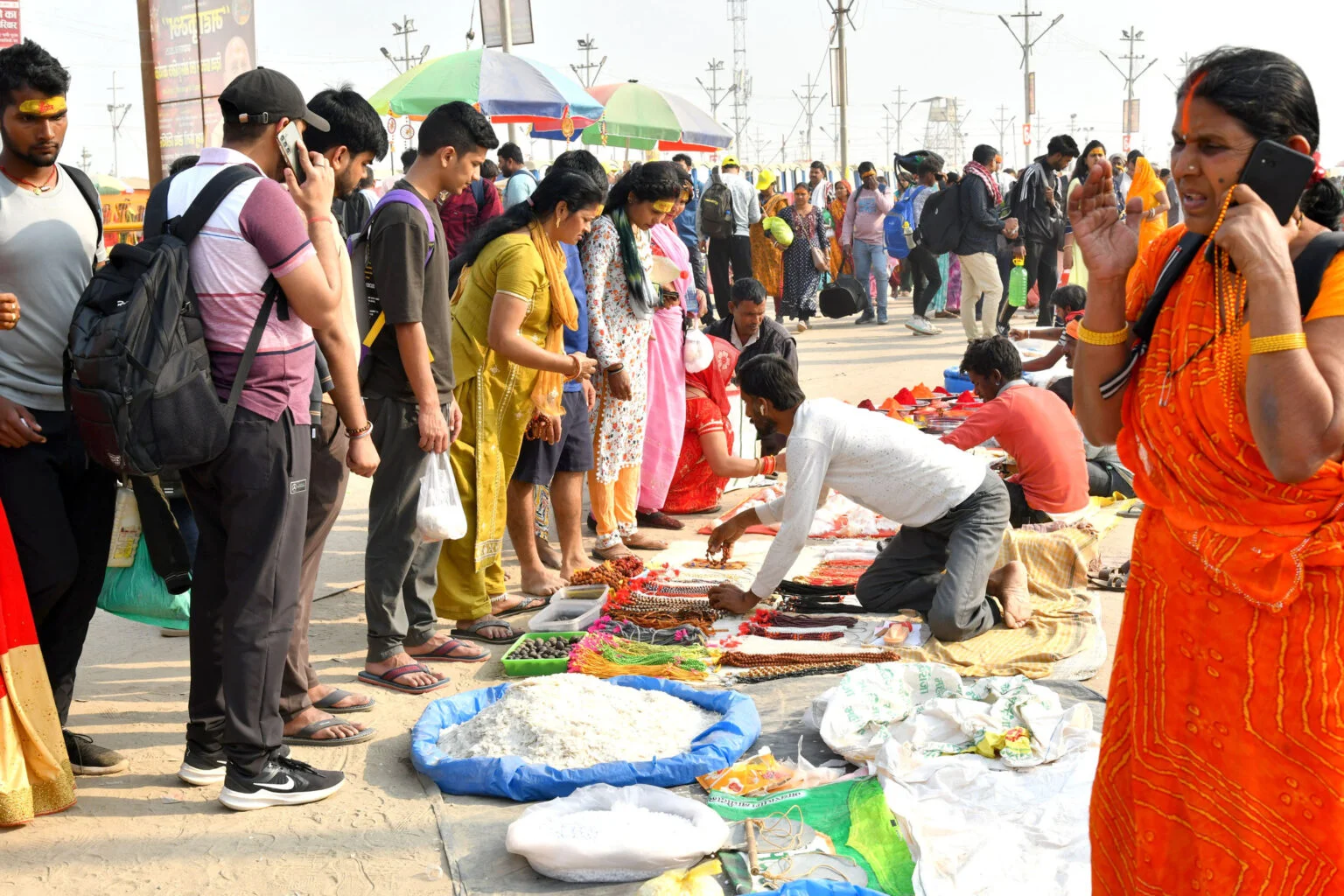
Lucknow: The Union Budget 2026–27 reflects a notable shift in India’s development thinking, drawing lessons from the economic outcomes of the Mahakumbh and the Prayagraj–Kashi–Ayodhya religious circuit. For the first time, India’s traditional economic structure—rooted in festival-driven activity, temple tourism, and town-based economies—has found clear policy-level recognition in the national budget.
The large-scale economic impact of the Mahakumbh, including its contribution to local livelihoods and gross domestic product, has encouraged policymakers to reassess the role of faith-based and culturally rooted economic models. Experts believe this signals a broader vision of development that goes beyond metros and heavy industry, reconnecting growth strategies with India’s civilisational and cultural foundations.

According to Uttar Pradesh Development Forum (UPDF) president Pankaj Jaiswal, the successful organisation of the Mahakumbh under Chief Minister Yogi Adityanath demonstrated that faith-based events are not merely religious gatherings but powerful economic catalysts. During the Mahakumbh, the Prayagraj–Kashi–Ayodhya circuit witnessed a surge in hospitality, transport, local trade, healthcare services, logistics, and both temporary and permanent employment, together forming a strong economic ecosystem.
One of the key announcements in the budget is the development of Tier-2 and Tier-3 cities as City Economic Regions (CERs). This initiative is being seen as an extension of Uttar Pradesh’s vision of strengthening towns that historically formed the backbone of India’s supply chains. Revitalising towns is expected to directly benefit nearby villages, farmers, artisans, and traders by improving market access and creating local fulfilment hubs for larger cities. With the highest number of towns and urban centres in the country, Uttar Pradesh is likely to be a major beneficiary of this scheme.
The inclusion of the term “Temple City” in the budget speech has also been described as a historic signal. Traditionally, temple towns have served as economic, cultural, and social centres. The success of the Prayagraj–Kashi–Ayodhya circuit has underlined the potential of temple-centric planning to drive holistic development across thousands of small towns and cities nationwide.


Experts note that Uttar Pradesh stands to gain the most from this “Sanatan economics” approach, as it is home to major spiritual and cultural centres such as Mathura, Kashi, Ayodhya, Prayagraj, Naimisharanya, Gorakhnath, Hastinapur, Sarnath, and Kushinagar. Focused investment in tourism, services, local products, and infrastructure in these regions could provide long-term economic strength to the state.
The budget’s emphasis on expanding inland waterways, particularly between Varanasi and Patna, is also expected to revitalise river-based economies. With extensive river networks including the Ganga, Yamuna, Ghaghara, and Rapti, Uttar Pradesh could emerge as a leader in integrated road, rail, air, and inland water connectivity.
Overall, Budget 2026–27 indicates that Uttar Pradesh may become a central pillar of India’s emerging development model—driven by temple tourism, town-based growth, and a renewed focus on culturally rooted economic systems.












 https://www.youtube.com/watch?si=RtToJsBhYBatUrym&v=mOuYNSdhjHA&feature=youtu.be