Rating: ★★★★½ (4.5/5)
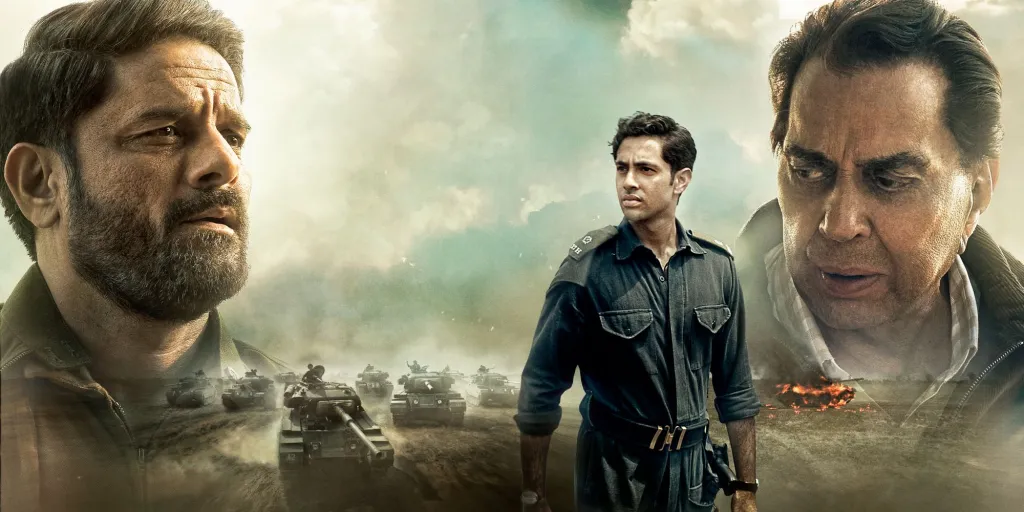
Mumbai: Released on January 1, 2026, Ikkis—meaning Twenty-One—arrives as the first major Hindi film of the year and easily one of its most profound. Directed by master craftsman Sriram Raghavan (Andhadhun, Badlapur) and produced by Dinesh Vijan under Maddock Films, this biographical war drama recounts the extraordinary real-life story of Second Lieutenant Arun Khetarpal, the youngest recipient of India’s highest military honor, the Param Vir Chakra. He was just 21 when he laid down his life during the 1971 Indo-Pak War.
In sharp contrast to the chest-thumping, spectacle-driven war films currently dominating screens—including the recent Border 2—Ikkis chooses restraint. It is a war film that is, at its heart, deeply anti-war. Rather than glorifying combat, it examines the human cost of conflict: grief that transcends borders, guilt that lingers long after the guns fall silent, and fragile humanity struggling to survive amid violence.

Plot: Courage, Loss, and the Echoes of War
The film traces Arun Khetarpal’s brief yet incandescent life—his training, idealism, and the legendary Battle of Basantar in December 1971, where he single-handedly destroyed multiple enemy tanks before being martyred. But Raghavan’s real triumph lies in what comes after the heroism.
Through the perspective of Arun’s grieving father (a towering Dharmendra, in what many believe to be his final screen appearance) and a Pakistani counterpart played by Jaideep Ahlawat, the narrative explores shared sorrow across enemy lines. The film gently dismantles the idea of “us versus them,” replacing it with a meditation on loss, futility, and the quiet longing for peace.
Tender family moments, handwritten letters, and a subtle romantic thread featuring Simar Bhatia remind us that soldiers are sons, brothers, and lovers long before they are martyrs. Ikkis resists jingoistic highs, building its emotional power through understatement—culminating in a restrained, devastating climax and a moving disclaimer that reinforces its message of brotherhood.
At a tight two-hour runtime, the film allows its emotions to breathe without ever overstaying its welcome.
Performances: Soulful and Sublime
-
Agastya Nanda (Arun Khetarpal): In a breakout performance of remarkable maturity, Nanda portrays Arun with earnest charm, quiet bravery, and heartbreaking youthfulness. He carries the film’s emotional core with grace and restraint, marking himself as a talent to watch.
-
Dharmendra: Delivering one of the most poignant performances of his career, he embodies a father grappling with unimaginable loss. His restrained grief, dignified silence, and weathered expressions lend the film immense emotional weight—making this a potentially unforgettable farewell.
-
Jaideep Ahlawat: Once again proves why he is among India’s finest actors, bringing empathy and depth to a role that could have easily slipped into stereotype. His presence reinforces the film’s humanistic worldview.

The supporting cast, including Simar Bhatia, adds warmth and authenticity without ever distracting from the central narrative.
Technical Craft: Less Noise, More Meaning
Anil Mehta’s cinematography captures both the stark brutality of Punjab’s battlefields and the intimacy of home with equal sensitivity. The war sequences rely on grounded, practical realism rather than excessive VFX, enhancing their emotional impact.
Amit Trivedi’s score is minimal yet deeply affecting, often allowing silence and sound design to speak louder than music. Raghavan’s direction is characteristically precise—dialing down spectacle to amplify feeling.
At a Glance
| Aspect | Strengths | Weaknesses |
|---|---|---|
| Story & Theme | Deeply humanistic, powerful anti-war message | May feel slow for action-seekers |
| Performances | Exceptional across the board | None significant |
| Direction & Technicals | Elegant, restrained, emotionally resonant | Limited spectacle (by design) |
| Pacing | Tight and focused | Subtle tone requires patience |
Final Verdict
Ikkis is a rare cinematic achievement: a patriotic film that dares to question war itself. In a season dominated by roaring anthems and larger-than-life heroism, this quiet, soul-stirring tribute stands apart—honoring Arun Khetarpal’s sacrifice while gently pleading for empathy, reflection, and peace.
Emotionally wrenching, beautifully crafted, and profoundly humane, Ikkis proves that cinema doesn’t need noise to make a statement. Dharmendra’s farewell only deepens its resonance.
A solid 4.5/5. Essential viewing.
Who Should Watch?
Lovers of meaningful cinema, war dramas with emotional depth, and viewers seeking substance beyond surface-level patriotism.
Jai Hind—and may peace prevail