By Dr Atul Malikram, Political Strategist
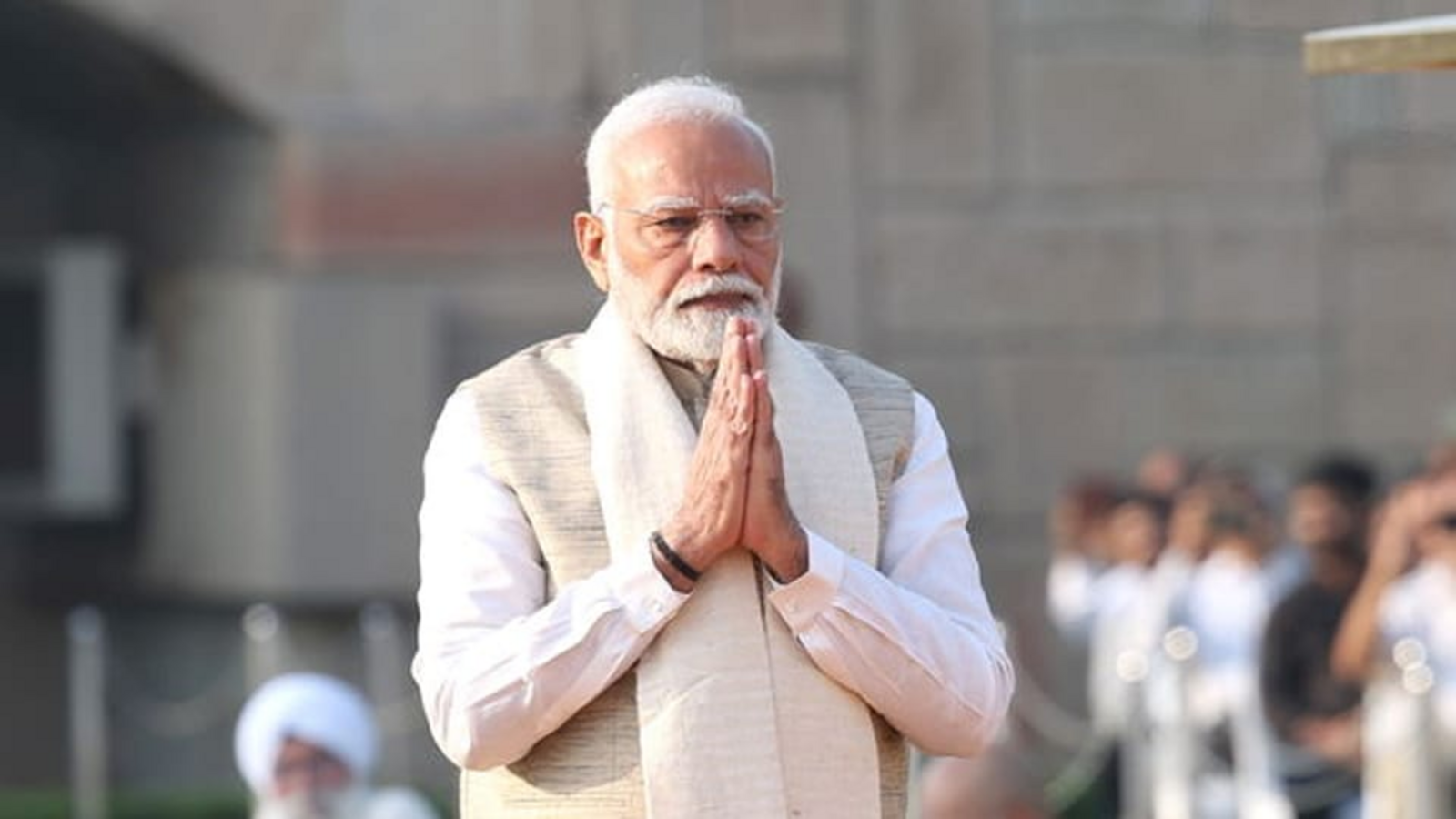
If contemporary Indian politics were to be explained in a single phrase, it would be “Modi Magic.” This term goes beyond mere electoral popularity and captures the profound emotional, social, and political transformation that India’s electorate has experienced over the past decade. Prime Minister Narendra Modi has redefined the relationship between leadership, politics, and the people, giving Indian democratic behaviour a new direction.

Modi’s popularity is not the outcome of a single election victory or one welfare scheme. It is the result of years of strategic image-building, continuous communication, strong organisational backing, and—most importantly—an exceptional ability to understand public sentiment. Today, Modi is not just the Prime Minister; for millions of Indians, he represents hope, identity, and a sense of security. To understand this phenomenon, one must recognise that Indian politics is driven not only by policies but by emotions. When an Indian voter casts a ballot, they are choosing not just a government, but their future, identity, and dignity. Modi understands this psychology deeply.
Narendra Modi’s political journey is extraordinary. Rising from a modest background as a tea seller to becoming the Prime Minister, his story is one of struggle, hard work, and self-reliance. This narrative resonates strongly with poor, lower middle-class, and rural families, who see him as one of their own. This emotional bond sets Modi apart from other leaders. He has consistently projected himself as a leader rooted in service rather than power. His simple lifestyle and tireless work ethic reinforce the image of a dedicated and selfless leader—an image deeply appealing to citizens long disillusioned by corruption and privilege in politics.
This emotional connection has been further strengthened through sustained communication. Platforms like Mann Ki Baat brought the Prime Minister out of distant corridors of power into people’s living rooms. Citizens hear his voice, listen to stories of ordinary Indians, and feel that the country’s leader understands their world. Social media has amplified this connection. Modi is India’s most digitally active political leader, engaging millions daily through platforms such as X, Facebook, Instagram, and his mobile application. This constant presence has established him as a leader who is always among the people.
This is not mere publicity—it is psychological engagement. Regular interaction fosters familiarity, and familiarity builds trust. Modi understands this dynamic well. Another pillar of the “Modi Magic” is the strategic use of technology and data. Since 2014, Indian politics has entered a digital era. The BJP has used data analytics to understand voter preferences, needs, and aspirations, crafting tailored messages for different sections of society. Youth were addressed through jobs and startups, farmers through income support and crop insurance, and women through schemes like Ujjwala and sanitation initiatives. Each group felt directly spoken to.

Platforms such as WhatsApp carried these messages deep into villages, transforming supporters into a vast communication network. Rather than relying solely on traditional media, the party created its own grassroots information ecosystem, ensuring the Prime Minister’s message reached people directly and consistently.
National pride and cultural identity form another cornerstone of Modi’s appeal. He has presented India’s ancient culture, traditions, and history as sources of pride. The construction of the Ram Temple was framed not just as a religious milestone but as an assertion of national dignity and historical justice. Military actions and border security measures were projected as symbols of a strong and confident India. This reinforced the perception that the nation is no longer weak but self-assured. Modi’s active presence on global platforms further strengthened India’s image as a country that commands respect.
Behind this persona stands a disciplined and expansive organisation. The BJP and its affiliates are deeply embedded from villages to metropolitan centres. Clear leadership, organisational discipline, and message consistency prevent confusion and strengthen outreach. In this framework, Modi has also redefined the political opposition. By projecting himself as a protector of national security and stability, criticism against him often appears, in public perception, as opposition to national interests.
In effect, Indian politics has begun revolving around a single axis—Modi himself. Elections are increasingly seen not as contests between parties, but as Modi versus the rest. He has transformed politics into an emotional experience, where a leader does not merely govern but embodies the hopes and aspirations of the people.
As long as Narendra Modi sustains this emotional connect, reinforces national pride, and maintains continuous dialogue with citizens, the “Modi Magic” will remain one of the most powerful forces in Indian politics.