Delhi: Maintaining harmonious diplomatic relations with China continues to be a complex challenge for India’s Ministry of External Affairs (MEA). Despite efforts by Indian diplomats, underlying tensions and strategic disagreements have consistently tested bilateral ties. In recent years, shifts in relations have coincided with meetings between Prime Minister Narendra Modi and Chinese President Xi Jinping, reflecting both opportunities for engagement and the persistent strategic caution India must exercise.
China’s strategic influence in the region, particularly its support for Pakistan, adds to the complexity. Its most robust embassy is located in Pakistan, highlighting the significance Beijing places on its relations there. Senior Indian diplomats, including External Affairs Minister Dr. S. Jaishankar and Foreign Secretary Vikram Misri, both former ambassadors to China, have been actively involved in navigating these challenges. Recent months have seen rising diplomatic tensions that necessitated high-level discussions between Dr. Jaishankar and Chinese Foreign Minister Wang Yi.
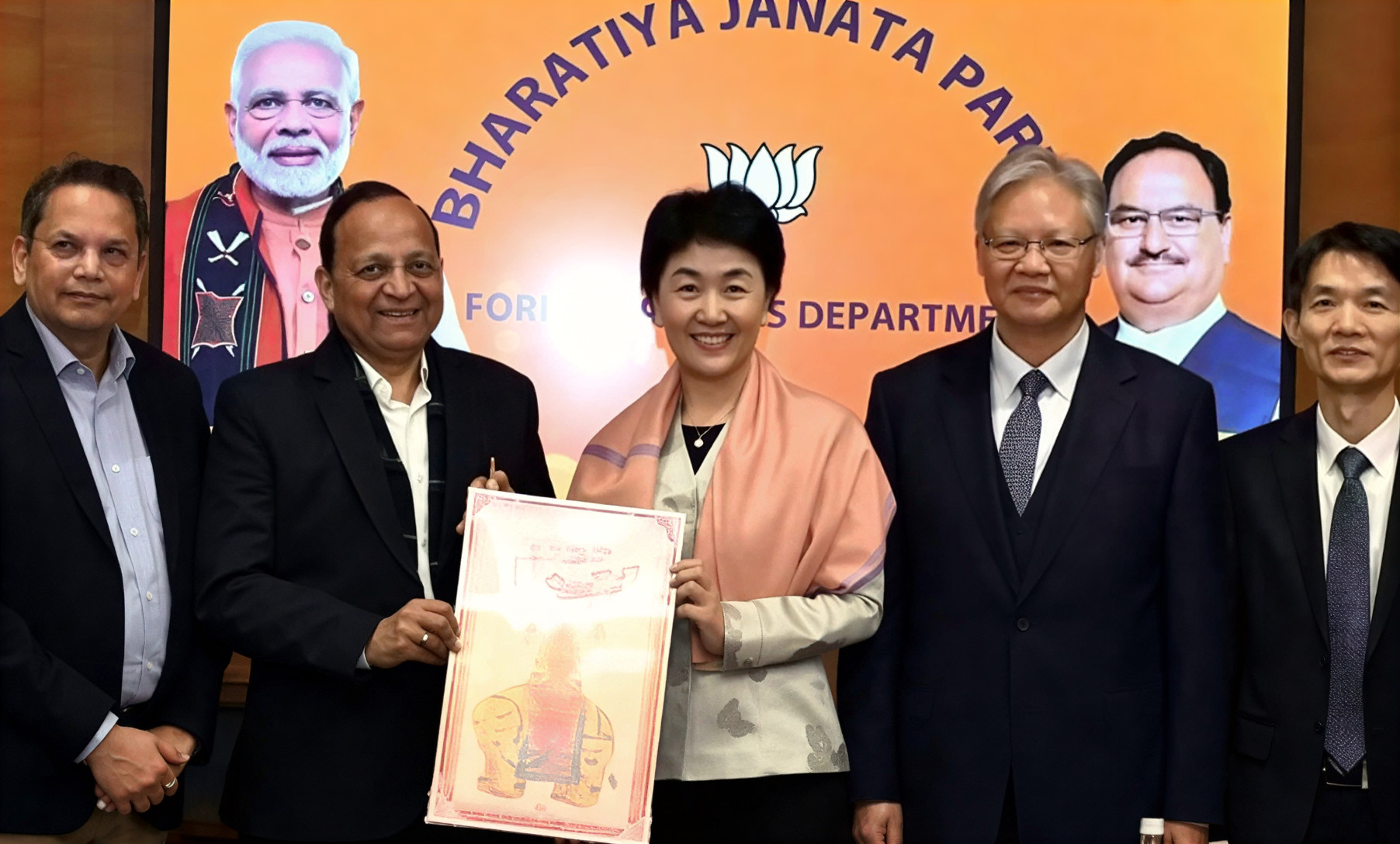
At the same time, international economic pressures, such as U.S.-imposed tariffs, have heightened India’s interest in keeping China engaged in constructive dialogue. Last week, a Chinese Communist Party (CPC) delegation led by Vice Minister Sun Hyan visited Delhi and met senior Congress leaders, including Salman Khurshid, to discuss bilateral ties. While the delegation also met ruling BJP officials, Congress clarified that the meeting was government-approved and initiated at the request of the Chinese delegation.
Strategically, India remains cautious about China’s intentions in regions such as the Shaksgam Valley. Retired Lieutenant General Sanjay Kulkarni, who commanded a brigade and division along the Line of Actual Control (LAC) and played a key role at the Siachen Glacier, noted that China is likely to continue exerting pressure—sometimes directly, sometimes through Pakistan, Bangladesh, Nepal, or Sri Lanka. Historically, China’s claim over Shaksgam, ceded by Pakistan in 1963 following the 1962 India-China war, demonstrates the persistent mistrust in the bilateral relationship.

India’s defensive posture is reinforced by both historical experience and strategic planning. While the nation has grown into the world’s third-largest economy, China’s regional ambitions remain a concern. India maintains vigilance along its borders, investing in economic, technological, and military strength to counter potential threats. Current Indian diplomatic leadership in China includes Ambassador Pradeep Kumar Rawat (since March 2022), Joint Secretary Sujit Ghosh (East Asia Division), and Dr. Vikram Krishnamurthy, Director (China), all of whom focus on maintaining engagement while safeguarding India’s strategic interests.
In summary, fostering friendly relations with China is crucial for the stability of the Asia-Pacific region, yet it requires constant vigilance, strategic patience, and skillful diplomacy. The Ministry of External Affairs continues to balance engagement with caution, ensuring that India’s economic, territorial, and security interests are preserved while striving to maintain a cooperative dialogue with its powerful neighbor.