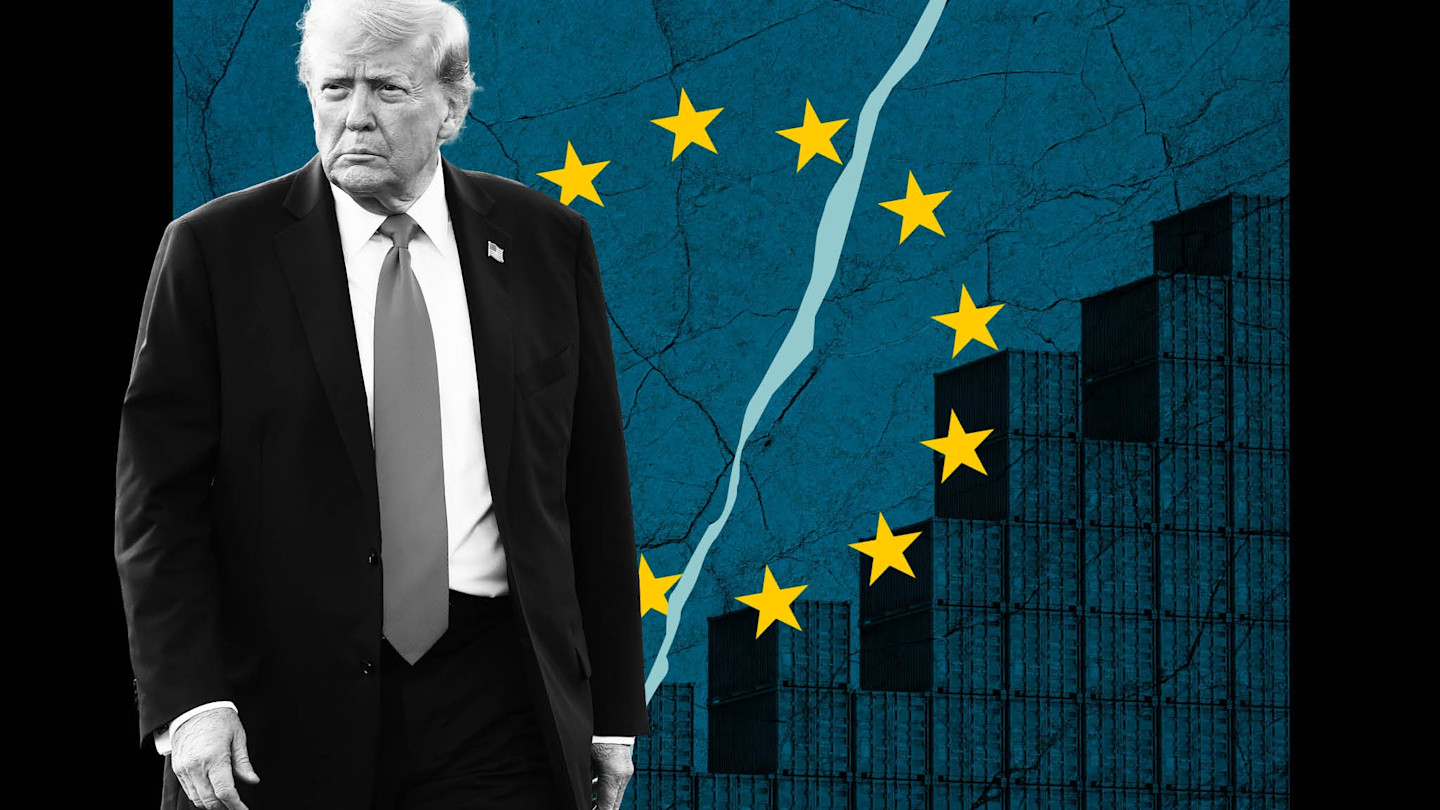
New Delhi: Former US President Donald Trump’s renewed push to bring Greenland under American control has sparked global debate, with critics questioning whether the idea reflects strategic thinking or mere personal obsession. Political observers note known for his unpredictable style, Trump appears determined in his second term to remain at the centre of global attention, even at the cost of diplomatic friction.
Analysts link Trump’s aggressive posturing partly to his frustration over missing out on the Nobel Peace Prize. His public remarks and reported correspondence with Norway’s leadership reveal lingering resentment, after which his rhetoric shifted from peace initiatives to hard power politics. The Greenland issue, many believe, is an extension of this assertiveness.
Greenland, a semi-autonomous territory of Denmark and a NATO-linked region, has firmly rejected any notion of being “for sale.” European nations including France, Germany, the UK and Denmark have openly criticised Trump’s statements, warning that any coercive move would threaten international law, NATO unity and global stability.
While Trump cites security concerns related to Russia and China, critics argue that his approach risks weakening transatlantic relations and damaging America’s credibility. Even within the US, public opinion appears divided, with a majority wary of provoking allies.

Greenland’s strategic location, rare mineral reserves and Arctic significance make it geopolitically valuable. Yet experts caution that pursuing dominance through pressure rather than diplomacy could isolate Washington.
Whether driven by strategic calculation or stubborn ambition, Trump’s Greenland fixation has turned into a global spectacle—one that may have lasting consequences for international relations.