Manali: Manali, the Queen of the Hills, is where the Himalayas seem to soften their grandeur and invite you closer. Cradled in the heart of the Kullu Valley of Himachal Pradesh, at an altitude of nearly 2,050 meters, this mountain town has long been a sanctuary for dreamers—adventure seekers, honeymooners, backpackers, spiritual wanderers, and those simply yearning to breathe cleaner air and slow down.
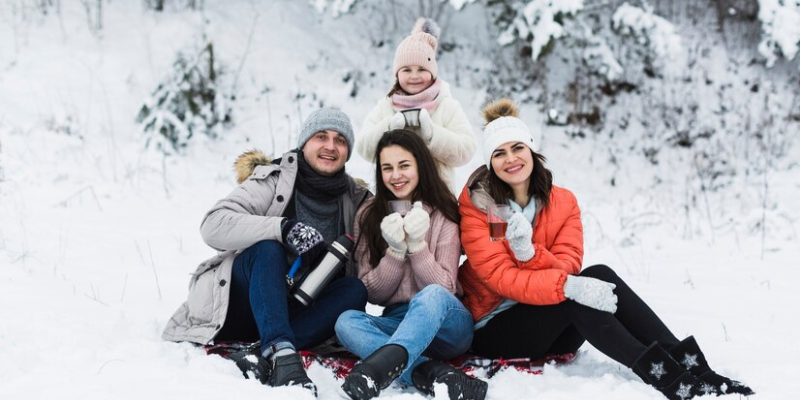
In the crisp winter of early 2026, travellers journey to Manali along the winding mountain roads from Chandigarh, chasing snow, serenity, and that unmistakable thrill that only the high Himalayas can offer. What awaits the traveller is nothing short of magical: snow-dusted pine forests, the thunderous flow of the Beas River, ancient temples wrapped in myth, and peaks so pristine they appeared to pierce the heavens.

Arrival: The Road to Heaven
The journey to Manali is not just a means of reaching a destination—it is an experience in itself. As the plains give way to foothills, the highway begins to twist and climb, following the restless Beas River. Pine and deodar forests line the road, apple orchards stretch across slopes, and small villages peek out like secrets waiting to be discovered.
With every curve, the air grows sharper and purer, carrying the scent of wet earth, pine resin, and distant woodsmoke. Snow first appears shyly—dusting rooftops and branches—before becoming a full-fledged presence. By the time one enters Manali town, snowflakes are spotted dancing in the wind, settling gently on jackets and eyelashes, as if the mountains themselves were welcoming me home.
Solang Valley: Adventure at Its Peak
Barely 13 kilometers from Manali lies Solang Valley, a place where adrenaline meets alpine beauty. In winter, the valley transforms into a vast white playground, its grassy meadows buried under thick layers of snow.
Paragliding is the star attraction here. Strapped into a harness and guided by an experienced pilot, you soar high above the valley, suspended between sky and earth. Below, the landscape unfolds like a living painting—snow-laden slopes, clusters of colorful tourists, and winding trails etched into white silence. The rush of wind, the sudden drop, and the sweeping views create a moment of pure, unfiltered exhilaration.
For those who prefer their feet closer to the ground, Solang offers plenty: snow tubing, zorbing, skiing (when conditions permit), snowmobile rides, and even yak rides for a touch of Himalayan nostalgia. The valley hums with energy—music blaring from small stalls, steam rising from cups of hot maggi and chai, and laughter echoing as families and friends build snowmen or tumble into the powder.
Rohtang Pass: Gateway to Another World
A trip to Manali feels incomplete without venturing to Rohtang Pass, the dramatic gateway to the stark landscapes of Lahaul and Spiti. Standing at an altitude of 3,978 meters, Rohtang is as challenging as it is rewarding. The journey requires permits and favorable weather, but the reward is an unforgettable encounter with raw Himalayan majesty.
The road to Rohtang snakes through frozen waterfalls, towering walls of snow, and vast open stretches where the world feels stripped down to its most elemental form. Prayer flags flutter fiercely in the wind, adding splashes of color against the endless white.
At the pass, the cold is biting and unforgiving, but the views silence all complaints. Snow-covered peaks stretch endlessly in every direction, dwarfing human presence and reminding you of nature’s immense power. Tourists revel in snow activities, while roadside dhabas serve steaming cups of tea and simple meals that taste extraordinary in the thin mountain air.
Hadimba Devi Temple: Where Myth Meets the Forest
Back in Manali, serenity awaits in the cedar forests surrounding the Hadimba Devi Temple. Built in 1553 and dedicated to Hadimba, the wife of Bhima from the Mahabharata, this ancient shrine stands apart from typical Indian temples. Its four-tiered wooden pagoda-style architecture, adorned with intricate carvings of animals, deities, and warriors, feels organically connected to its surroundings.
Tall deodar trees rise like guardians around the temple, their branches filtering sunlight into soft, dappled patterns. The forest floor is carpeted with pine needles, muffling footsteps and creating an almost sacred hush. Standing here, one feels the weight of centuries—of worship, legend, and quiet devotion. It is a place that invites introspection, where myth feels alive and the boundary between nature and spirituality dissolves.

Old Manali: The Bohemian Soul
Cross a narrow bridge over the Beas River, and Manali reveals a completely different personality. Old Manali is the town’s bohemian heart—laid-back, colorful, and effortlessly cool. Narrow lanes wind past wooden guesthouses, prayer flags, graffiti walls, and cafes humming with soft music and conversation.
Here, time slows down. Cafes serve wood-fired pizzas, Israeli breakfasts, momos, and endless cups of hot chocolate. Travelers lounge on balconies overlooking the river, books in hand, while others strike up conversations that last hours. Live music drifts through the air in the evenings, blending with the constant roar of the Beas below. Old Manali isn’t about sightseeing; it’s about simply being.
Mall Road: The Pulse of the Town
If Old Manali is introspective and artistic, Mall Road is energetic and vibrant. This pedestrian-friendly stretch in central Manali is always alive with activity. Shops display colorful woolens, shawls, caps, and handcrafted souvenirs. Adventure gear stores tempt trekkers and bikers, while small stalls sell locally made pickles, jams, and honey.
As evening descends, fairy lights flicker on, street food stalls sizzle, and the aroma of freshly cooked siddu, momos, and grilled trout fills the air. Crowds gather, laughter rings out, and Manali feels like a celebration in motion—a reminder that mountain towns can be lively without losing their charm.
Hidden Escapes: Vashisht and Jogini Falls
For those seeking peace away from the bustle, Vashisht village offers a soothing retreat. Famous for its natural hot sulphur springs, Vashisht has been a place of healing for centuries. Soaking in the warm waters while cold mountain air brushes your face is a uniquely Himalayan pleasure. The ancient temples nearby lend a spiritual calm, making the visit both restorative and reflective.
From Vashisht, a moderate trek leads to Jogini Falls. The trail winds through forests, small farms, and quiet hamlets before opening up to a spectacular waterfall cascading down rocky cliffs. In summer, the pool at its base invites a refreshing dip; in winter, the frozen surroundings create a dramatic, almost surreal scene. Either way, the journey and the destination feel deeply rewarding.
Sunset, Silence, and Lasting Impressions
As the day draws to a close, Manali saves some of its finest moments for sunset. From any high vantage point, the sky ignites in hues of gold, pink, and crimson, silhouetting the Himalayan peaks in breathtaking contrast. The mountains seem to glow briefly, as if acknowledging the day before retreating into twilight.
Manali is more than a hill station—it is a feeling that lingers long after you leave. The crisp air clears your thoughts, the adventures awaken dormant courage, and the quiet moments by the river heal something unspoken within you. It is a place where nature doesn’t demand attention; it gently earns it.
In a world that rarely pauses, Manali teaches you to breathe deeply, to look up at the mountains, and to remember how small—and how fortunate—you are. Whether you come seeking snow and speed, solitude and silence, or stories and soul, the Queen of the Hills welcomes you with open arms.
Go to Manali not just to see the Himalayas, but to feel them. Let their magic crown your memories forever.







 ---------------------------------------------------------------------------------------------------