New Delhi: Indian Railways is no longer seen merely as a transport system—it is the lifeline of the nation. Carrying millions of passengers every day, it reflects India’s social, economic and cultural pulse. From farmers and workers to students and soldiers, countless aspirations travel together on its tracks. In this context, the transformation of Indian Railways from a colonial-era mindset to a people-centric, modern institution marks a significant shift in national consciousness.
Railway Minister Ashwini Vaishnaw has repeatedly stressed the need to free Indian Railways from colonial thinking, a mindset rooted in the era when the rail network primarily served imperial interests rather than citizens’ convenience. His remarks, echoed recently at the Railway Employees Annual Awards ceremony in New Delhi’s Yashobhoomi, underline a broader reform agenda—one that places passengers at the centre of the system.

Historically, the railways were designed to strengthen colonial control, facilitate resource extraction and manage troop movement. Passengers were treated as subjects rather than citizens. Unfortunately, traces of this approach lingered even decades after Independence, often reflected in rigid attitudes and a lack of sensitivity towards travellers. The current reform drive seeks to reverse this legacy.
Under Prime Minister Narendra Modi’s leadership, Indian Railways is being reimagined as a world-class system—advanced in technology, strong in safety and humane in service. The focus is not just on faster trains, but on creating a travel experience rooted in dignity, transparency and accountability.
Railway Minister Vaishnaw has emphasised that every railway employee is a service provider, not an authority figure. This shift in mindset is being reinforced through training, accountability mechanisms and a renewed focus on passenger satisfaction. The aim is to ensure that rail journeys are not merely functional, but comfortable and respectful.


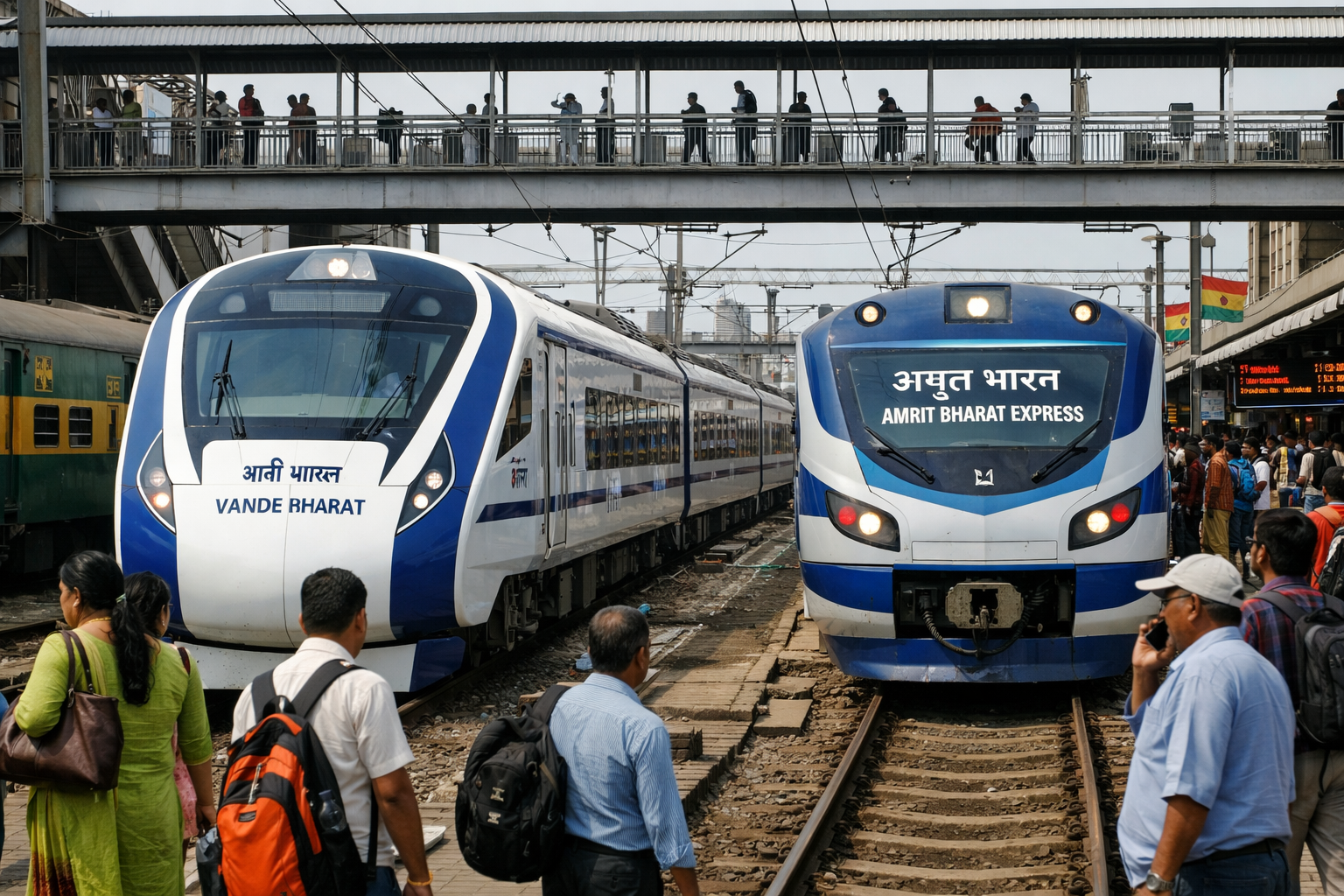
The impact of this transformation is visible across the network. Rapid expansion of rail infrastructure, redevelopment of stations, cleaner premises, digital ticketing and transparent systems reflect a new approach. Trains like Vande Bharat symbolise this change—designed and manufactured in India, they showcase self-reliance, modern engineering and passenger comfort. Importantly, reforms are not limited to premium services alone. Initiatives such as Amrit Bharat trains aim to provide safer and more dignified travel for the common passenger.
Looking ahead, projects like bullet trains and hydrogen-powered trains signal India’s readiness to lead in future mobility solutions while embracing sustainability. Together, these initiatives indicate that Indian Railways is no longer bound by the shadows of its past but is moving confidently towards the future.
In the Amrit Kaal of a new India, the transformation of Indian Railways represents more than infrastructural progress—it reflects a change in thought. As colonial mindsets give way to service, sensitivity and innovation, the railways are not just running trains; they are carrying the aspirations of a confident, forward-looking nation.












 https://www.youtube.com/watch?si=RtToJsBhYBatUrym&v=mOuYNSdhjHA&feature=youtu.be