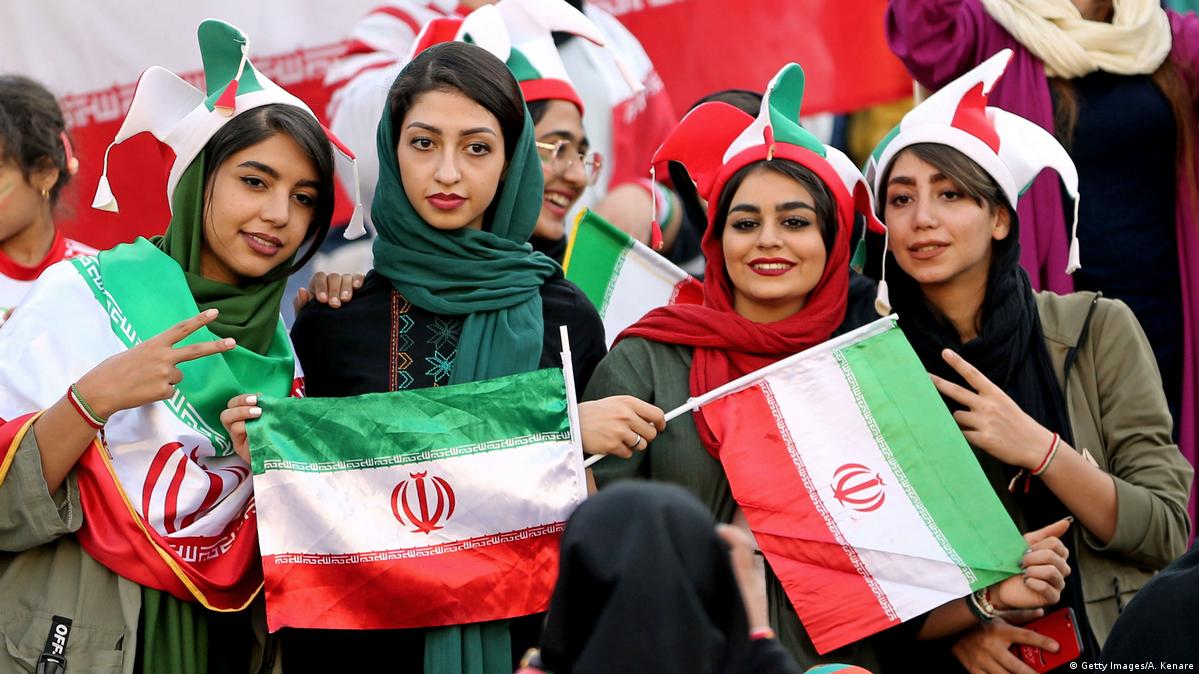
Tehran/New Delhi: A courageous wave of protest by women in Iran against compulsory burqas and veils is capturing global attention, highlighting a growing struggle for personal freedom in Islamic societies. Since the suspicious death of 22-year-old Mahsa Amini in 2022 while in police custody, Iranian women have taken to the streets, removing their scarves and defying dress codes imposed under strict Islamic laws. The movement, now accelerating in 2025–26, has spread awareness about gender rights beyond Iran, influencing neighboring Muslim-majority countries and sparking conversations worldwide.
Iran, a fully Islamic state since the 1979 revolution, has historically enforced strict dress codes on women, with morality police patrolling streets and penalizing non-compliance. However, recent protests have seen women openly walking without scarves, burning veils, and demanding autonomy, compelling the government to temporarily suspend controversial hijab laws amid ongoing military presence.

Globally, the trend is towards greater freedom. Countries such as Saudi Arabia, Kazakhstan, Tajikistan, Uzbekistan, and Turkmenistan are easing restrictions on face coverings, and European nations like Switzerland, France, and Belgium have enforced limited bans, boosting women’s public participation.
In contrast, South Asia is witnessing rising radicalism. In India, Pakistan, and Bangladesh, groups are pressuring women to wear hijabs or burqas under the guise of religious duty. Recent disputes in Karnataka and Bihar highlighted these tensions, with schoolgirls and professionals facing coercion. Surveys indicate that many women prefer choice over compulsion, but social and political pressures force compliance.

Experts say imported extremism, political exploitation, and social pressure are driving this radicalization. While Iranian women’s defiance inspires a global fight against oppression, South Asian women continue to face restrictions imposed by minority hardliners, curbing freedoms in daily life.
The Iranian protests reveal that when women resist coercion, societal change follows. Advocates argue that South Asian societies must ensure women have genuine freedom of choice—whether to wear a veil or not—rather than being bound by imported ideologies.