- CM’s clear directive: No VIP protocol on main bathing days
- All preparations to be completed by December 31; senior officers to inspect arrangements on-site: CM
- Magh Mela 2026 to run for 44 days; 12–15 crore devotees expected
- Mela area expanded to 800 hectares; ghat length increased by 50%
- Land allotted to 4,599 organizations so far
- AI-enabled surveillance and real-time monitoring for crowd and security management
- First-time introduction of app-based bike taxis, QR codes, and advanced technologies at Magh Mela 2026
- Strong emphasis on cleanliness: Single-use plastics banned; 16,650 toilets and 3,300 sanitation workers on 24×7 duty
- Strict action against rumor-mongers; multi-tier traffic and crowd management plan to be implemented: CM
- Magh Mela to be developed as a zero liquid discharge model; river purity a top priority
- Folk records and rare manuscripts from the 19th–20th century Magh Melas to be showcased
- Directions issued for dialogue with boatmen and regulation of food and service charges
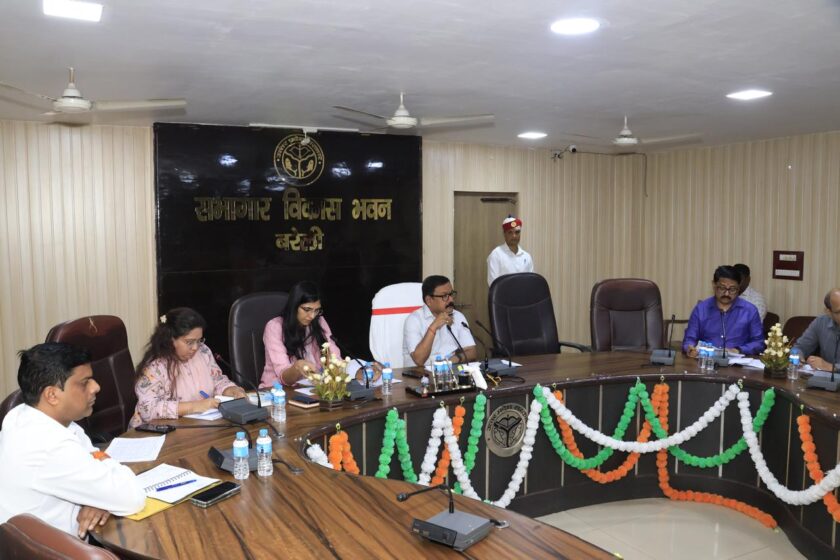
Lucknow: Chief Minister Yogi Adityanath on Friday conducted a comprehensive review of the preparations for Magh Mela 2026, scheduled to be held in Prayagraj at the sacred confluence of the Ganga, Yamuna and the invisible Saraswati. During the review meeting, the Chief Minister emphasized that Magh Mela is not merely a religious gathering, but a living expression of India’s Sanatan tradition, social discipline and administrative excellence.
He said, “Ensuring a safe, clean and well-managed environment for devotees arriving from across the country and abroad remains the government’s foremost priority.”

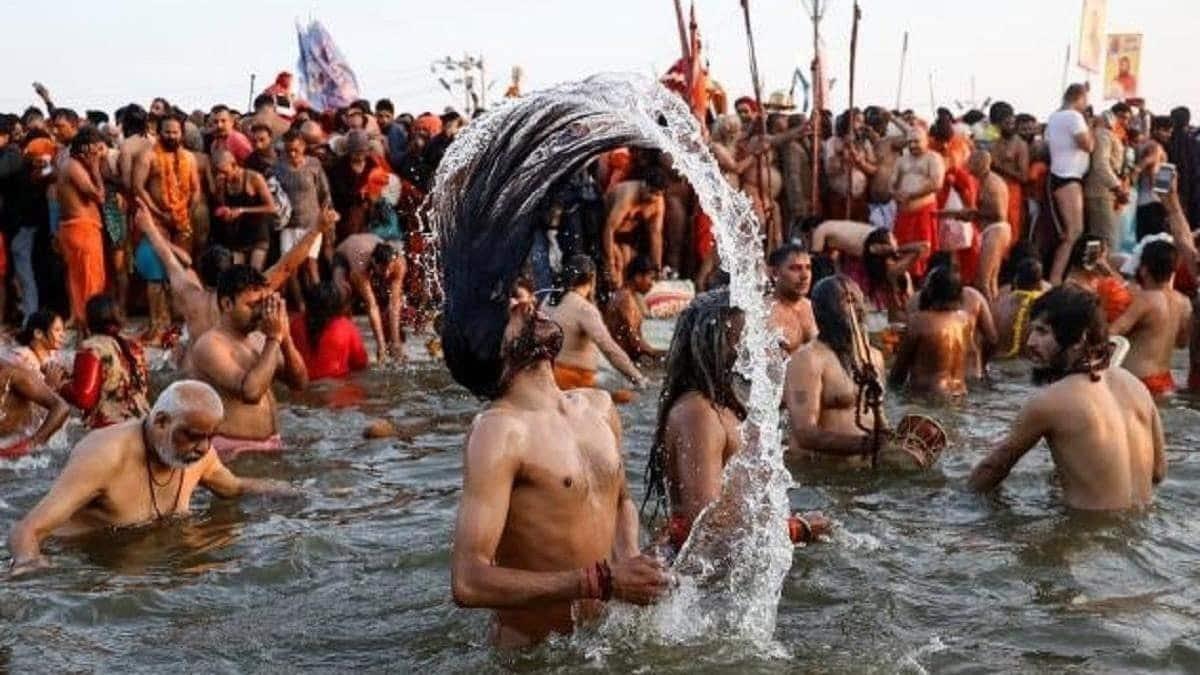
The Chief Minister stated that the traditions of Kalpavas, ritual bathing and spiritual practices at the Sangam form the core of India’s cultural consciousness.
He noted that 15 to 25 lakh devotees are expected to observe Kalpavas this year alone. Following the successful organization of the Mahakumbh, there is widespread enthusiasm for Magh Mela 2026 both in India and internationally. He said the fair conveys values of restraint, harmony and service to society, and directed officials to preserve its spiritual sanctity while ensuring that devotees face no inconvenience at any level.
He further instructed the Home Department to ensure that no VIP protocol is implemented during major bathing festivals and to issue the necessary guidelines in this regard.
The Chief Minister also directed that Principal Secretaries and Secretaries of all concerned departments, along with the Additional Director General of Police (Law and Order), must personally visit the fair site to review preparations, and that all arrangements be completed by December 31.
During the meeting, the Divisional Commissioner of Prayagraj informed that Magh Mela 2026 will be held from January 3 to February 15, 2026, spanning a total of 44 days. Major bathing occasions including Paush Purnima, Makar Sankranti, Mauni Amavasya, Basant Panchami, Maghi Purnima and Mahashivratri, will be observed during this period.
An estimated 12 to 15 crore devotees are expected to visit the Mela, with the possibility of more than 3.5 crore pilgrims taking a holy dip at the Sangam on peak days such as Mauni Amavasya. Accordingly, extensive arrangements are being put in place.
It was further informed that the Mela area has been expanded to around 800 hectares, with the number of sectors increased from five to seven. The total length of bathing ghats has been enhanced by nearly 50 percent compared to the previous Magh Mela.
A comprehensive action plan covering 42 parking facilities, nine pontoon bridges, an upgraded internal road network and streamlined traffic management for the convenience of devotees is in its final stages.
Reviewing security and crowd management arrangements, the Chief Minister emphasized the extensive use of modern technology and directed officials to formulate a strong, multi-layered action plan for traffic and crowd regulation. He instructed that strict action be taken against rumor-mongers.
The Police Commissioner of the Prayagraj Commissionerate informed that adequate police personnel are being deployed throughout the Mela period. Around 450 CCTV cameras are being installed, of which 250 have already been commissioned. Teams of the SDRF and NDRF will also be deployed. An AI-enabled surveillance and crowd management system is being implemented across the fair area.

The Chief Minister directed that police personnel be provided proper training to ensure courteous conduct and a devotee-centric approach. He also instructed that the services of NSS volunteers and NCC cadets be integrated into the arrangements.
Additionally, he stressed the importance of coordination with boatmen and regulation of charges for food and other services to prevent overcharging.
Emphasizing innovation, the Chief Minister said, “Magh Mela 2026 must set new benchmarks in facilities and technology.” The meeting was informed that several modern initiatives are being introduced for the convenience of devotees, including app-based bike taxi services, extensive directional signage, QR code–based identification on electric poles, ring main units to ensure uninterrupted power supply, geo-tube technology to prevent riverbank erosion, and prefabricated sewage treatment plants. He directed that these innovations should be clearly visible and effectively implemented on the ground.
The Chief Minister reiterated the ban on single-use plastics and said that the Magh Mela should emerge as a model of cleanliness. Officials informed the meeting that 16,650 toilets are being set up across the fair area, with adequate and separate facilities for women. Around 3,300 sanitation workers will be deployed on a 24×7 basis. Supporting arrangements such as sanitation colonies, Anganwadi centres for children and primary schools have also been ensured for them.
The Chief Minister directed that the honorarium of sanitation workers engaged in the fair be paid within 15 days under all circumstances.
The Chief Minister instructed the Urban Development Department to implement a zero liquid discharge system in the fair area to preserve the purity of the Ganga and Yamuna rivers. Regarding health services, it was informed that two hospitals with 20 beds each, 12 first-aid centres, 50 ambulances, along with Ayurvedic and homeopathic medical units, are being established within the Mela area to provide prompt medical assistance in emergencies.
On river and flood management, the meeting was informed that river training works, temporary embankments, jetty construction, drain cleaning and continuous water-level monitoring are underway. Jetty construction has reached approximately 85 percent completion.
The Chief Minister directed that regular river patrols be ensured, effective mock drills be conducted prior to the Mela, and the availability of modern fire-fighting equipment be ensured.
This year, the Tourism and Culture Department will organize folk dances, folk theatre, bhajans and kirtans, Ramlila performances, and exhibitions highlighting the rich art and cultural heritage of the state during the Magh Mela.
An exhibition showcasing public records related to administrative arrangements of Magh Mela events from the 19th and early 20th centuries, along with rare manuscripts associated with Sanatan tradition and spirituality, will also be organized.
Concluding the review, Chief Minister Yogi Adityanath directed all departments to complete their responsibilities in a time-bound manner with close inter-departmental coordination. He said that Magh Mela 2026 should reflect a harmonious blend of faith, security, cleanliness, innovation and sensitive administration.