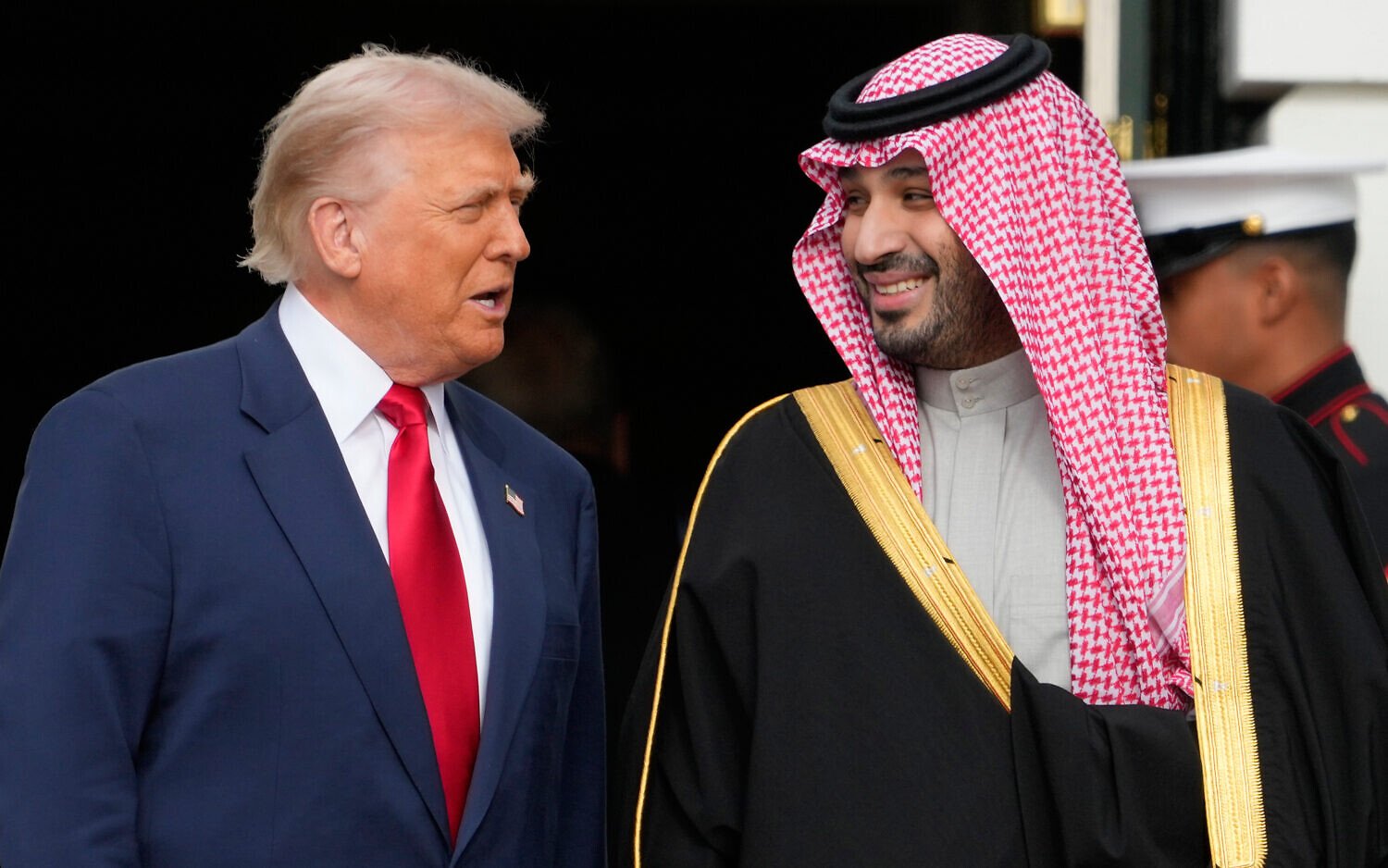
New Delhi: In what is being seen as one of the most significant diplomatic developments in recent years, Saudi Arabia and the United States have finalized a wide-ranging strategic agreement covering civil nuclear energy, advanced defence cooperation, and massive economic investments. The deal was sealed during Saudi Crown Prince Mohammed bin Salman’s (MBS) visit to Washington, where he met US President Donald Trump at the White House—marking his first visit to the US in nearly seven years.
Historic Civil Nuclear Energy Pact
During the high-level talks, both nations approved a landmark declaration on civil nuclear energy cooperation. The agreement is expected to reshape the region’s energy security architecture and deepen technological collaboration between Washington and Riyadh. In addition, memorandums of understanding (MoUs) were signed on critical mineral infrastructure and artificial intelligence research—areas that will play a decisive role in future global tech competition.
F-35 Deal Signals Major Strategic Shift
A day before the meeting, President Trump confirmed that the US is prepared to sell 48 F-35 fighter jets to Saudi Arabia. Until now, this next-generation stealth aircraft had been supplied only to Israel, making the move a major geopolitical milestone. The expanded access to F-35s is likely to alter the regional power balance while strengthening Riyadh’s defence capabilities.
Trump also clarified that Israel had been briefed in advance about the sale. In addition to the fighter jet agreement, the two sides also finalized the delivery of nearly 300 American tanks, further solidifying military cooperation. The signing of the upgraded US–Saudi Strategic Defense Agreement (SDA) has formally elevated the defence partnership to a new level.
Economic Ties Surge to Unprecedented Levels
Crown Prince MBS announced that Saudi Arabia’s investments in the US—which currently total around USD 600 billion—are set to rise to USD 1 trillion. This doubling of investment marks a significant expansion of bilateral economic engagement.

The relationship between the two nations had hit a low after the 2018 murder of journalist Jamal Khashoggi, but the latest developments indicate a thaw and a renewed strategic alignment.
In a symbolic gesture underscoring this renewed bond, President Trump declared during the state dinner in honour of the Crown Prince that the US would designate Saudi Arabia as a Major Non-NATO Ally (MNNA), a status currently held by only 19 countries worldwide.
A Deal That Reshapes Regional and Global Dynamics
From nuclear energy cooperation to high-end defence technology and massive financial investment, the agreement marks a historic leap in the US–Saudi partnership. The inclusion of F-35 fighter jets in the deal stands out as a transformative development, with far-reaching implications for Middle Eastern geopolitics.
Diplomatic experts believe the pact signals not only a recalibration of America’s role in the region but also Saudi Arabia’s ambition to assert itself as a global strategic powerhouse.