New Delhi: The Indian Army is preparing for one of its most significant strategic shifts in two decades as it moves toward adopting the Cold Strike Doctrine, an evolved and more agile version of the older Cold Start Strategy. The transition follows a series of successful multi-domain exercises along the western front, where the Army’s newly constituted Rudra All-Arms Brigade demonstrated remarkable combat readiness.
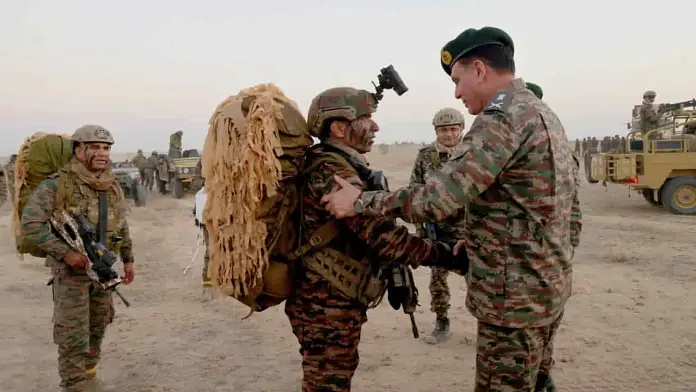
During the tri-services exercise Trishul, conducted along the Pakistan border, the Rudra Brigade showcased its integrated operational capability. These formations—designed as versatile, self-contained combat units—are emerging as the cornerstone of the Army’s future warfighting approach.
The first official indication of this doctrinal shift came from Lt. General Dhiraj Seth, PVSM, AVSM, General Officer Commanding-in-Chief, Southern Command. Speaking after the brigade’s successful performance in Exercise Akhand Prahar, he stated that the Army is now “in a stage where it can move beyond the Cold Start Strategy and prepare for a more immediate, decisive Cold Strike Doctrine.”
Why the Shift Was Needed
The original Cold Start Strategy was conceptualized in the aftermath of the 2001 Parliament attack, when India mobilized its strike corps for a potential rapid response. However, the movement to the Pakistan border took nearly a month, causing a delay that allowed Pakistan to fortify its defences.
The lesson was clear: swift, integrated, and pre-positioned formations were essential.
Pakistan later attempted to counter Cold Start by developing the short-range nuclear missile Nasr. But India continued modernizing its doctrine, and the creation of Rudra Brigades signals a major leap in ensuring swift, coordinated military action when required.
The Power of Rudra Brigades
What makes the Rudra Brigades pivotal is their self-contained, all-arms structure. A single brigade brings under one command:
- Infantry
- Mechanised infantry
- Armoured units (tanks)
- Artillery
- Air defence
- Engineers
- Signals
- Drone units
- Logistics and support elements
This integrated setup eliminates delays caused by assembling units from scattered locations. Instead, a Rudra Brigade is combat-ready at all times, capable of delivering coordinated firepower and mobility at short notice.

Reports indicate two such brigades are already deployed in Eastern Ladakh and Sikkim, tailored to the unique demands of the China border. Now, for the western theatre, a special Rudra Brigade participated in the Trishul exercise in a major way for the first time.
A Glimpse of Future Warfare
During the exercise, the brigade executed:
- Rapid mechanised and infantry manoeuvres
- Precision artillery firing
- Heliborne operations
- Attack helicopter missions
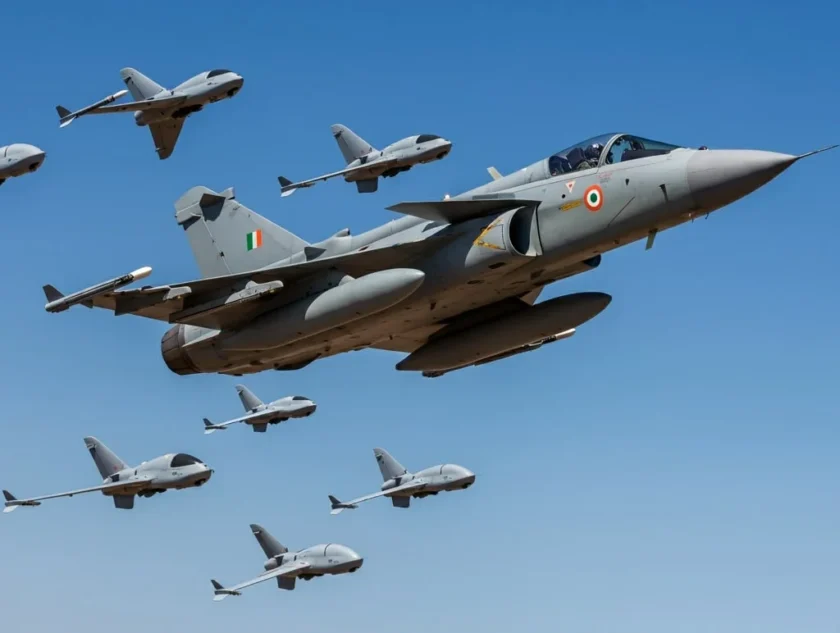
- Joint drills with the Indian Air Force, including Fighter Ground Attack roles
Senior officials say each Rudra Brigade will be custom-built to suit the terrain and operational needs of its deployment area. These units will remain fully prepared even during peacetime, enabling instant response during crises or conflict.
The Road Ahead: Cold Strike Doctrine
The proposed Cold Strike Doctrine builds on these capabilities, focusing on:
- Highly mobile, self-sufficient combat groups
- Integrated multi-domain operations
- Rapid offensive capability to neutralize threats before escalation
- Seamless Army–Air Force synergy
Military experts see it as a natural evolution—one that reflects India’s advancing battlefield technologies, changing security environment, and the need for decisive early action.
A Future-Ready Force
The Rudra Brigades represent the Army’s next-generation combat formations, reshaping India’s battlefield posture. By transitioning from Cold Start to Cold Strike, the Indian Army signals its readiness for faster, more flexible, and technology-driven warfare.
This doctrinal shift not only strengthens India’s deterrence but also marks a bold step toward preparing the armed forces for the challenges of modern conflict.