Asthma patients must avoid smoking and adopt a healthy lifestyle, emphasizes KGMU expert
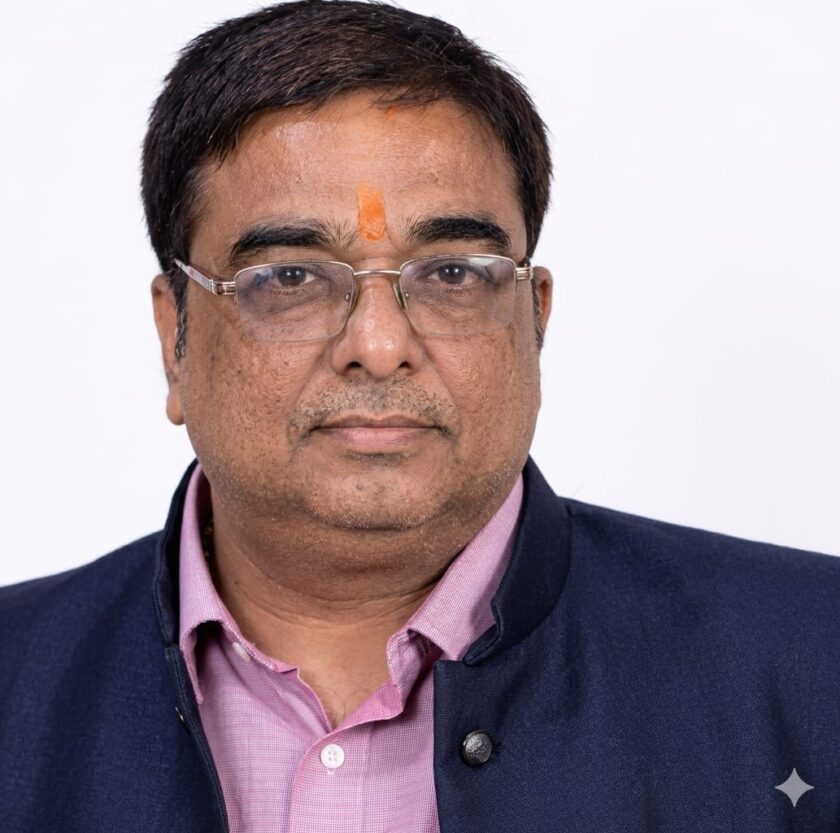
Lucknow: Asthma patients must completely refrain from smoking and processed food, advised Dr. Suryakant, Head of the Department of Respiratory Medicine at King George’s Medical University (KGMU), during the national symposium of the Indian College of Allergy, Asthma, and Applied Immunology on Friday.
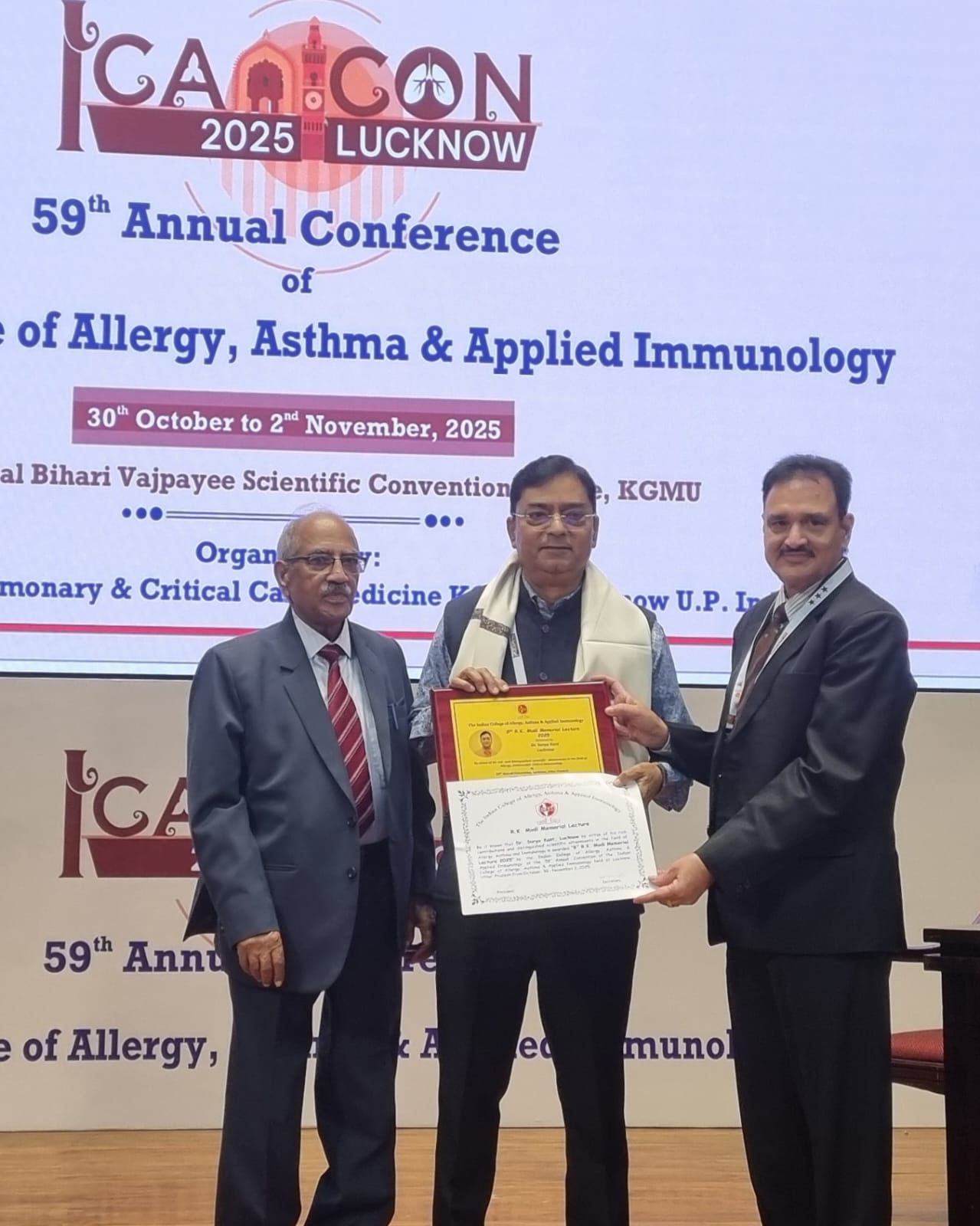
Delivering the Dr. R.K. Modi Memorial Lecture, Dr. Suryakant was honored with the Dr. R.K. Modi Memorial Award and a memento by the institution’s national president, Dr. Suresh Koolwal, and secretary, Dr. A.B. Singh.

Speaking at the event, Dr. Suryakant — also the Editor-in-Chief of the Indian Journal of Allergy, Asthma, and Applied Immunology — stressed that asthma management should not rely solely on medication and inhalers. “Non-pharmacological measures like yoga, balanced diet, and stress management are equally essential,” he said.
He explained that asthma patients should maintain an active lifestyle, manage weight, and avoid exposure to dust, smoke, and chemical pollutants at workplaces and homes. “Avoid keeping too many pets indoors — let your home remain a home, not a zoo,” he quipped.
Highlighting the benefits of yoga, Dr. Suryakant elaborated on its proven role in improving lung capacity, reducing airway sensitivity, and enhancing sleep and mental balance. The KGMU Department of Respiratory Medicine, he noted, has published over 25 national and international research papers on asthma and yoga — the highest number in the world — a feat acknowledged by KGMU Vice-Chancellor Dr. Sonia Nityanand, who congratulated him for bringing global recognition to the university.
Three books on asthma, allergy, and yoga have also been published under his guidance. Notably, the book “Role of Yoga in Asthma” was released by Prime Minister Narendra Modi, and one of the department’s pioneering research works received the Charles Ricci Award. The department is currently conducting an ICMR-funded study on Jal Neti, a yogic nasal cleansing practice known to improve respiratory health.
Dr. Suryakant emphasized that yoga postures such as Gomukhasana, Bhujangasana, Dhanurasana, Tadasana, Shavasana, and breathing exercises like Anulom-Vilom, Bhastrika, Bhramari, and Kapalbhati can significantly aid asthma control.
He also discussed managing comorbidities, advising diabetic patients to use inhaled corticosteroids carefully, hypertensive patients to avoid beta-blockers, and heart patients to prefer cardio-safe bronchodilators. Maintaining thyroid balance and preventing obesity, stress, and acid reflux were also essential, he noted.
Urging people to shun junk food and processed snacks, he humorously remarked, “Aunty’s Chips were fine, but Uncle Chips are dangerous.” Dr. Suryakant advised including antioxidant-rich fruits and vegetables, omega-3 fatty acids (from fish and flaxseeds), and following a Mediterranean-style diet, while avoiding packaged foods, cold beverages, and excess caffeine.
He concluded by stressing awareness as the most powerful tool in asthma management: “Patients must understand their disease, identify their triggers, and follow the doctor’s action plan. Never abandon inhalers — doing so could lead to serious asthma attacks.”
Under his leadership, KGMU continues to bridge modern medicine and traditional wellness, making Lucknow a hub for evidence-based respiratory and yoga research.


 ---------------------------------------------------------------------------------------------------