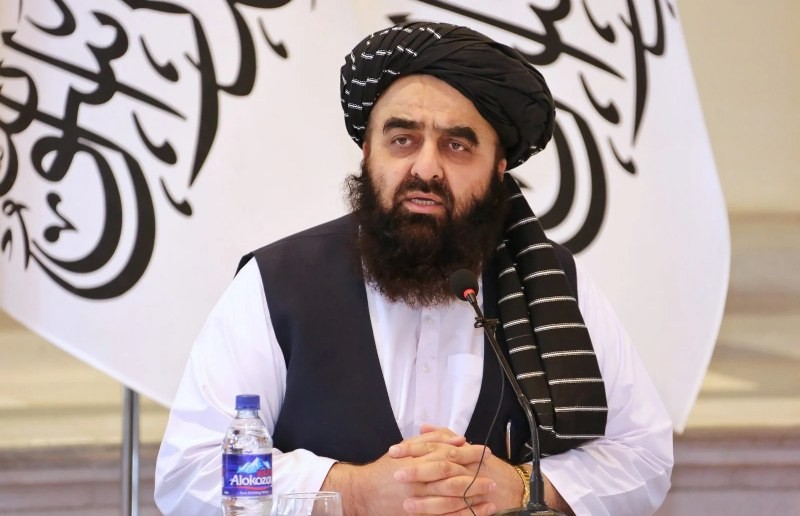
New Delhi: Nearly four years after the Taliban took control of Afghanistan, a new chapter in India-Taliban engagement is set to begin. Taliban Foreign Minister Amir Khan Muttaqi is scheduled to visit India on October 9, 2025, marking the first time a top Taliban official will directly visit New Delhi.
Until now, interactions between Indian and Taliban officials have largely been limited to meetings in Dubai and Kabul. This visit represents more than symbolism—it signals a geopolitical shift in South Asia, suggesting Afghanistan is moving closer to India, beyond Pakistan’s shadow.

When the Taliban captured Kabul on August 15, 2021, Indian officials evacuated the embassy, leaving New Delhi with limited access. Four years later, Muttaqi’s visit reflects evolving dynamics. The UN Security Council has cleared the visit, underscoring its international significance. Earlier this year, Indian External Affairs Minister S. Jaishankar spoke with Muttaqi by phone, and India handed control of the Hyderabad-based Afghan commerce office to Taliban-appointed representative Mohammad Rahman.
India has consistently responded swiftly to crises in Afghanistan. During the recent earthquake, New Delhi sent relief aid immediately. Over the years, India has delivered 50,000 tons of wheat, 330 tons of medicines, and other essential supplies. Such humanitarian engagement has strengthened people-to-people ties and positioned India as a reliable partner for Afghanistan, even as Taliban-Pakistan relations remain strained.
Geopolitical analysts, including Middle East journalist Umar Waziri, note that decades of Pakistan’s proxy relationship with the Taliban soured as Islamabad sought to control Afghan foreign policy. Recent border disputes and Pakistan’s treatment of Afghan refugees further deteriorated trust. Meanwhile, India’s long-term development projects—including infrastructure, healthcare, education, and strategic initiatives like the Chabahar port—have positioned it as a preferred partner for the Taliban.


Muttaqi’s visit is expected to consolidate ongoing formal and informal dialogues between the two nations. While India has not officially recognized the Taliban government, this engagement highlights New Delhi’s strategic interest in fostering stability, humanitarian cooperation, and infrastructure development in Afghanistan.
Experts suggest that India must carefully balance this relationship, particularly given the Taliban’s concurrent cooperation with China for major infrastructure projects, while continuing to assert India’s influence in Afghanistan through aid, trade, and development. The visit thus marks a critical moment in South Asian geopolitics, underscoring Afghanistan’s gradual realignment toward India and away from Pakistan’s dominance.
This historic visit sets the stage for enhanced humanitarian, economic, and diplomatic collaboration, signaling a cautious but significant thaw in India-Taliban relations.












 https://www.youtube.com/watch?si=RtToJsBhYBatUrym&v=mOuYNSdhjHA&feature=youtu.be