New Delhi: In a landmark move to enhance financial inclusion and empower citizens, India has launched a nationwide campaign titled “Your Capital, Your Right”, aimed at returning ₹1.84 lakh crore of unclaimed funds from banks, insurance companies, mutual funds, NPS accounts, and other financial institutions to their rightful owners or legal heirs.
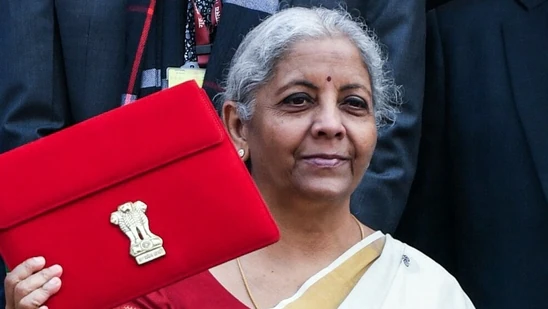
The campaign, announced by the Union Finance Minister on October 4, 2025, draws inspiration from global models such as the Unclaimed Money Authority in the U.S., U.K., Japan, and Australia, which maintain centralized databases of inactive accounts and allow citizens to claim funds online.

According to the Reserve Bank of India (RBI), the majority of these unclaimed assets are held in savings accounts, fixed deposits, insurance policies, mutual funds, shares, postal schemes, and pension accounts, often lying dormant for years due to reasons such as death of account holders, migration, lost documentation, or lack of awareness.
The initiative is built around three key pillars:
- Awareness – Using digital, social, radio, TV, and local governance channels to inform the public about their unclaimed funds.
- Access – Launching a unified online portal where individuals can check for inactive accounts or investments using their Aadhaar, PAN, or mobile number.
- Action – Ensuring verified claimants receive their funds through a secure, regulated process monitored by RBI, SEBI, IRDA, and banking ombudsman authorities.
Direct benefits for citizens include:


- Recovery of forgotten or dormant funds.
- Increased financial confidence and trust in institutions.
- Enhanced digital financial literacy.
- Boost to economic liquidity as dormant funds re-enter circulation.
Stakeholder advantages:
- Banks can clear inactive accounts, reducing reporting burdens.
- Regulators gain improved transparency and strengthened financial discipline.
- Fintech companies can leverage opportunities in data integration, identity verification, and digital claim processing.
- Economic growth accelerates as previously idle capital flows into markets.
Challenges and risks include missing documentation, fraudulent claims, digital illiteracy in rural areas, data inconsistencies among institutions, and potential delays in legal disputes. To mitigate these, the government plans Aadhaar-based e-KYC verification, data encryption, multi-layer authentication, dedicated helpdesks, and regular audits by regulatory authorities.
Advocate Kishan Sanmukhdas Bhavnani of Gondia, Maharashtra, emphasized that these unclaimed funds represent the hard-earned savings of millions of Indian families. If implemented effectively, this initiative will not only return wealth to citizens but also position India as a global leader in financial transparency and citizen-centric governance.
This historic step underscores the government’s commitment that “the people’s money belongs to the people”, transforming dormant wealth into active economic participation and reinforcing faith in India’s financial system.












 https://www.youtube.com/watch?si=RtToJsBhYBatUrym&v=mOuYNSdhjHA&feature=youtu.be