Bihar: As the Bihar Assembly elections approach, two shocking incidents have emerged as pivotal issues, overshadowing traditional debates on development and employment.
The first incident occurred on October 2, 2025, in Raebareli, where 38-year-old Dalit youth Hariom Valmiki was brutally beaten to death by villagers in Unchahar on suspicion of theft. Hariom, visiting his in-laws in Ishwardaspur, was mistaken for a drone thief and attacked for over two hours with sticks, belts, and fists. Despite police presence, he was left with the mob and later succumbed to injuries. Viral videos showing his last moments have sparked nationwide outrage. Four arrests have been made, but the family claims the main perpetrators remain free. Opposition leaders, including Rahul Gandhi and Congress President Mallikarjun Kharge, condemned the lynching as an attack on humanity, the Constitution, and justice. Rahul Gandhi personally spoke to the family, promising justice and highlighting systemic violence against Dalits, minorities, and the poor.

The second incident took place on October 6, 2025, in the Supreme Court of India, when Chief Justice B.R. Gavai, a Dalit himself, was attacked with a shoe by 71-year-old lawyer Rakesh Kishore of Bareilly. Kishore, offended by an earlier court remark about a temple idol, claimed he acted in defense of Sanatan Dharma. Though immediately restrained and facing no legal action, the incident ignited social media debates on caste, religion, and judicial respect. Political leaders, including Prime Minister Narendra Modi and Sonia Gandhi, expressed concern and condemnation.
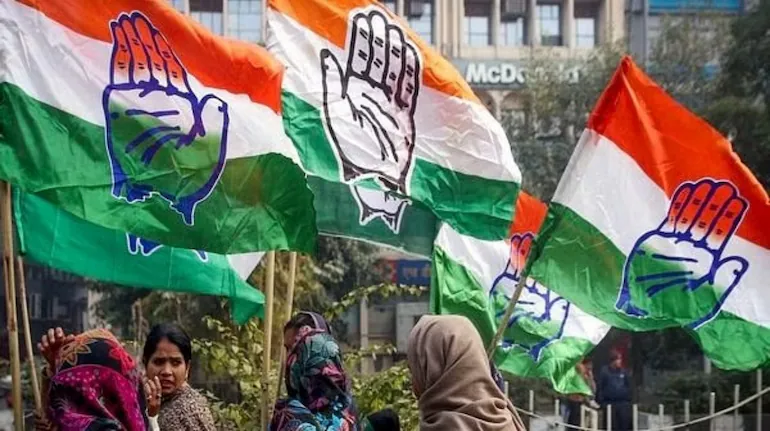
The Bihar Assembly elections, scheduled in two phases on November 6 and 11, with results on November 14, have a Dalit voter base of 16-19%, making these incidents electorally significant. The Congress party has strategically highlighted these events, portraying them as evidence of Dalit persecution under BJP rule. Campaigning focuses on constitutional rights, social justice, and protection of marginalized communities, with Rahul Gandhi raising these issues in rallies across Nalanda, Gaya, and Seemanchal.

While the BJP emphasizes development, infrastructure, and governance achievements under Modi and Yogi, the Congress aims to mobilize Dalit voters angered by these incidents. Political analysts suggest that these narratives could reshape electoral outcomes, particularly in constituencies with significant Dalit populations.
The central question remains: will Bihar voters prioritize constitutional justice and social equity, or will development and governance narratives hold sway? The upcoming elections may offer a critical insight into the evolving role of social justice in Indian electoral politics.












 https://www.youtube.com/watch?si=RtToJsBhYBatUrym&v=mOuYNSdhjHA&feature=youtu.be