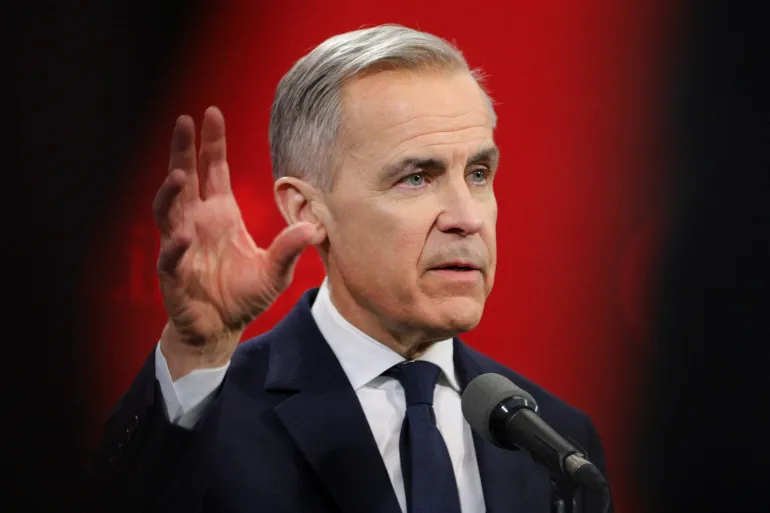
Toronto: Following the Liberal victory in the Canadian elections, Prime Minister Mark Carney’s victory address in Ottawa signaled a profound shift in the nation’s foreign policy. Carney’s declaration that Canada’s “long-standing relationship with the United States,” built upon “ever deeper integration,” is “over,” marks a watershed moment in North American relations.
Carney’s words carry the weight of a nation reckoning with a new reality. He acknowledged the “trauma of the American treachery,” a phrase that speaks volumes about the perceived betrayal that has led to this turning point. While urging Canadians to move beyond this trauma, he emphasized the crucial lessons learned, underscoring a newfound need for self-reliance and mutual support.
The Prime Minister’s message was one of both defiance and caution. He assured his supporters that “we will win this trade war,” yet tempered this optimism with a warning of “challenging” days ahead, a direct reference to the tariffs and annexation threats emanating from Washington.

Carney’s call for Canadian unity in the face of these threats is a strategic imperative. His assertion that “President Trump wants to destroy us so that America can control us” paints a stark picture of the challenges Canada believes it faces. The emphatic “That will never… ever happen” serves as a powerful rallying cry, but also highlights the severity of the perceived threat.
Ultimately, Carney’s message is one of transformation. He acknowledges that “our world has undergone significant transformation,” a diplomatic way of saying that the old certainties of the Canada-US relationship can no longer be relied upon. This new era demands a recalibration of Canada’s place in the world, a move towards greater autonomy, and a re-evaluation of its alliances. The path ahead will undoubtedly be complex, requiring both resilience and strategic foresight.