New Delhi: India’s strategic environment has become increasingly complex in the 21st century. With evolving threats along its borders, expanding geopolitical ambitions, and the rapid militarization of advanced technologies worldwide, India must strengthen its defence capabilities to secure its national interests. Becoming a defence superpower requires not only military strength but also technological innovation, industrial capacity, and strategic influence. Here are ten major steps that could help India achieve that goal.
1. Strengthening Indigenous Defence Manufacturing
The foundation of any defence superpower lies in a strong domestic defence industry. India has historically relied heavily on imports for advanced military equipment. To reduce this dependence, the country must expand indigenous manufacturing through initiatives like Make in India and Atmanirbhar Bharat.
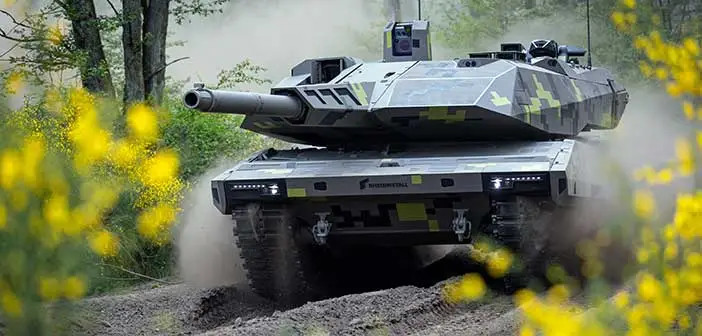
Developing domestic capabilities in fighter aircraft, submarines, tanks, missiles, and electronics will enhance strategic autonomy while boosting the economy. Encouraging private sector participation alongside public sector units such as Hindustan Aeronautics Limited and Bharat Electronics Limited will accelerate innovation and production.
2. Increasing Defence Research and Development
Investment in defence research is essential to maintain technological superiority. Institutions such as the Defence Research and Development Organisation must receive greater funding and stronger collaboration with universities and private industries.
Emerging technologies like artificial intelligence, quantum computing, hypersonic weapons, and advanced cyber defence systems will shape the future battlefield. Building indigenous capabilities in these areas will place India among the world’s leading military innovators.
3. Modernizing the Armed Forces
India’s armed forces must continuously upgrade their equipment, training, and operational doctrines. Modern warfare increasingly relies on advanced sensors, digital networks, and integrated command systems.
The Indian Armed Forces should focus on next-generation technologies including unmanned systems, electronic warfare platforms, and network-centric warfare capabilities. Modernization must also ensure interoperability between the army, navy, and air force.
4. Strengthening the Defence Industrial Ecosystem
A defence superpower requires a robust ecosystem of suppliers, startups, and research institutions. India should create defence innovation hubs and encourage startups to develop new technologies.
Government initiatives such as Innovations for Defence Excellence (iDEX) can play a crucial role in nurturing cutting-edge solutions from private companies and young entrepreneurs. This ecosystem will accelerate innovation and reduce reliance on foreign technology.
5. Expanding Naval Power
As a rising global power, India must strengthen its maritime capabilities to protect its interests in the Indian Ocean Region. Control of sea lanes is critical for trade, energy security, and strategic influence.
Expanding the fleet of aircraft carriers, nuclear submarines, and advanced destroyers under the Indian Navy will ensure India’s dominance in regional waters and enhance its role in maintaining maritime security.
6. Developing Advanced Air Power
Air superiority is a key factor in modern warfare. India must continue to strengthen the capabilities of the Indian Air Force by investing in advanced fighter aircraft, drones, and air defence systems.

Indigenous projects such as the HAL Tejas fighter jet represent important milestones in developing domestic aerospace capabilities. Future projects including stealth fighters and long-range bombers will further enhance India’s air power.
7. Strengthening Cyber and Space Capabilities
Future conflicts will increasingly involve cyber warfare and space-based technologies. India must enhance its capabilities in both domains.
Organizations like the Indian Space Research Organisation and the military’s space command should collaborate to develop satellite networks for surveillance, navigation, and communication. At the same time, India must strengthen cyber defence systems to protect critical infrastructure and military networks.
8. Strategic Military Alliances and Partnerships
International partnerships play an important role in enhancing military capabilities. India has strengthened defence cooperation with several countries, including participation in the Quadrilateral Security Dialogue with the United States, Japan, and Australia.
Joint military exercises, technology sharing, and defence agreements help India learn from global best practices while strengthening regional security partnerships.
9. Investing in Human Capital and Military Training
A defence superpower requires highly trained personnel. India must continue to invest in military education, advanced training programs, and leadership development.
Institutions like the National Defence Academy and the Indian Military Academy play a crucial role in shaping future military leaders. Integrating technology-focused training will prepare soldiers for the challenges of modern warfare.
10. Strengthening Strategic Deterrence
A credible deterrence strategy is essential for national security. India already maintains a nuclear deterrent under the Strategic Forces Command (India), which supports its doctrine of credible minimum deterrence.
Continuing to strengthen missile systems, early warning capabilities, and strategic command structures will ensure India’s ability to deter potential adversaries.
Becoming a defence superpower requires a comprehensive approach that combines military strength, technological innovation, and strategic diplomacy. India has already made significant progress through indigenous defence projects, modernization efforts, and global partnerships.
However, sustained investment in research, manufacturing, and human capital will be essential to maintain momentum. By strengthening its defence ecosystem and embracing emerging technologies, India can enhance its strategic autonomy and secure its position as a major military power in the decades ahead.